Ottoman Floral Embroidery Design Review
As a designer who has spent years navigating the delicate balance between digital files and physical thread, I approach every new Ottoman Floral Embroidery asset with a critical eye. It is not enough for a design to look good on a screen; it must translate flawlessly into a tangible finished product that withstands the scrutiny of customers and the rigors of daily use. When I first opened the preview for this specific Ottoman Floral Embroidery pattern, I was immediately struck by its rich, historical aesthetic. The layout suggests a blend of traditional motifs with modern spacing, creating a mood that feels both timeless and sophisticated. This is not a simple daisy or a generic vine; it carries a weight and presence that demands respect in your embroidery project.
The First Impression: Mood and Visual Weight
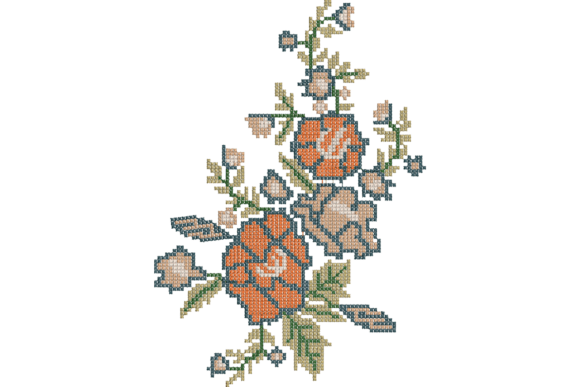
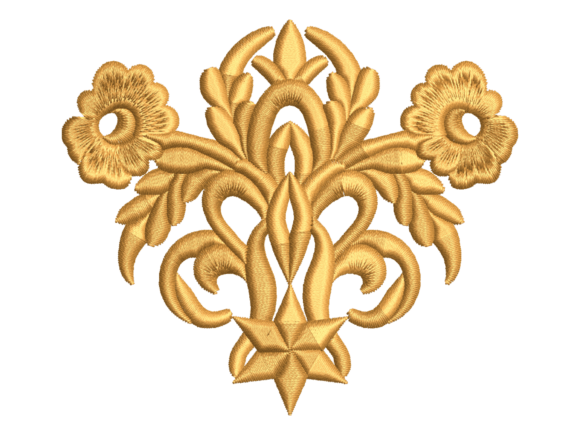
Before even loading the digital embroidery file into my machine, I analyzed the visual hierarchy. The Ottoman Floral Embroidery design features intricate curves and layered petals that suggest a high level of detail. In the world of machine embroidery design, complexity often comes at the cost of stitch clarity, but here, the lines appear distinct enough to maintain definition without becoming muddy. The overall shape is balanced, making it versatile for various placements. However, the density of the floral elements indicates that this is a statement piece. It is designed to be seen, which means it will likely dominate the fabric it sits upon rather than blending in as a subtle accent.
This visual personality makes me think immediately of elevated handmade products. Imagine a heavy canvas tote bag or a structured linen apron where the Ottoman Floral Embroidery serves as the focal point. The design exudes a sense of craftsmanship that aligns perfectly with boutique branding. For an Etsy seller or a small shop owner looking to differentiate their inventory, this kind of design assets can significantly boost perceived value. Customers browsing for unique items are often drawn to patterns that tell a story, and the historical undertones of this floral motif provide exactly that narrative depth.
Real-World Application: From Screen to Stitch
To truly evaluate the utility of Ottoman Floral Embroidery, I simulated a real-life scenario: creating a limited-run collection of personalized sweatshirts for a local craft fair. The goal was to produce high-quality custom apparel that felt premium yet wearable. Loading the embroidery file into my software, I considered how the stitch density would interact with the fleece material. Sweatshirt fabric is thick and textured, which can sometimes swallow fine details. With the Ottoman Floral Embroidery, the larger floral components should hold up well, but I would need to ensure the fill stitch areas are dense enough to prevent the fabric from showing through, while not so dense that the garment becomes stiff.
I also envisioned using this design for embroidered patch creation. Patches are a staple for many craft businesses, allowing makers to sell a single design across multiple product types like denim jackets, backpacks, and hats. The bold outlines typical of Ottoman-style florals work exceptionally well for patches because they define the edges clearly, ensuring the finished product looks crisp even when detached from the backing. If you are planning to sell these as standalone items, the intricate nature of the Ottoman Floral Embroidery ensures that buyers feel they are getting a complex, high-effort item, justifying a higher price point.
For those focusing on home decor, such as pillow covers or kitchen towels, the design offers a touch of elegance that elevates standard household items. A tea towel featuring this Floral motif transforms from a utilitarian object into a decorative piece. The key here is selecting the right thread colors. While the preview might show vibrant hues, testing the design against different background fabrics is crucial. On a dark navy or charcoal background, the Ottoman Floral Embroidery could pop with metallic or bright contrasting threads, whereas on cream or beige linens, earth tones might better complement the organic feel of the pattern.
Navigating Challenges and Fabric Limitations
Despite its strengths, there are scenarios where Ottoman Floral Embroidery requires careful handling. One major consideration is the hoop size. Given the detailed nature of the floral arrangement, this design likely occupies a significant amount of space. Attempting to squeeze it into a 4x4 hoop might result in distorted proportions or missing elements. Always check the dimensions provided in the digital product description before purchasing. If you are working with smaller items like caps or baby clothes, you may need to scale the design down, but be wary of losing the intricate details that make the pattern special.
Fabric texture is another critical factor. On thin or stretchy fabrics, the weight of the fill stitch in a dense floral design can cause puckering. To mitigate this, the use of a high-quality stabilizer is non-negotiable. For stretchy knits, a cutaway stabilizer will provide the necessary support to keep the Ottoman Floral Embroidery flat and smooth after washing. Similarly, if you are applying this design to curved surfaces like the front panel of a cap, the tension changes, and the intricate corners of the flowers might pull slightly. Testing the design on scrap fabric first is essential to adjust thread tension and stabilizer choice.
Furthermore, consider the frequency of washing. Products like baby clothes or everyday t-shirts undergo rigorous laundering. Dense Embroidery designs can trap moisture if the stitch density is too high, potentially leading to mildew or thread rot over time. For items that need frequent washing, you might want to opt for a version of the design with slightly less fill or ensure that the back of the stitching is clean and free of loose threads. This attention to detail builds customer trust and ensures longevity for your personalized gift or commercial item.
Practical Notes for Designers and Makers
As you prepare to integrate Ottoman Floral Embroidery into your workflow, remember that preparation is half the battle. Before committing to expensive materials, run a test stitch on a similar fabric to verify color contrast and stitch flow. Use printable mockup tools to visualize how the design will look on your specific product line. This step helps you avoid costly mistakes and ensures that the final presentation matches your brand's vision.
Licensing is another vital aspect for any commercial embroidery endeavor. Since this is a digital product delivered via ZIP or RAR format, always review the license terms included in the download. Confirm whether you are permitted to sell finished goods, create applique design variations, or offer the file itself to other creators. Understanding these boundaries protects your business and respects the original artist's work. If you plan to use this for holiday embroidery collections or seasonal merchandise, ensure your usage rights cover mass production if applicable.
Finally, embrace the versatility of the Ottoman Floral Embroidery. Whether you are a hobbyist creating a one-of-a-kind heirloom or a professional decorator fulfilling bulk orders, this design offers a rich canvas for creativity. By paying attention to thread colors, stabilizer choices, and fabric compatibility, you can transform this digital file into a stunning physical reality. The result is a product that not only looks beautiful but also stands the test of time, reflecting the skill and care of the maker behind it.