Soccer Cone Machine Embroidery Review
As a professional embroidery designer who has spent years translating digital files into tangible brand assets, I approach every new machine embroidery design with a critical eye. The goal is never just to create something that looks good on a screen; the objective is to produce a durable, high-quality element that elevates a small business's identity. Today, I am reviewing the Soccer Cone Machine Embroidery design. This specific file promises to bring projects to life for sports lovers, but does it hold up under the scrutiny of commercial production? Let's dive into how this digital embroidery file performs when applied to real-world merchandise.
First Impressions: Visual Personality and Brand Fit
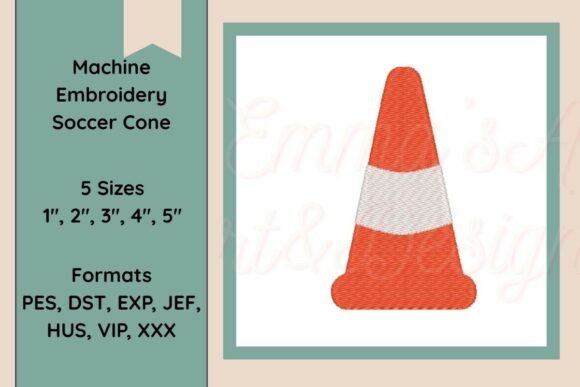
Upon opening the preview of the Soccer Cone Machine Embroidery, the immediate impression is one of playful professionalism. The design captures the iconic shape of a training cone, a symbol universally recognized in the world of athletics. It feels modern yet classic, striking a balance between a sporty aesthetic and a clean graphic style. For a business owner, this visual personality is crucial. It suggests energy, movement, and community without being overly aggressive or cluttered.
This design exudes a friendly and accessible vibe, making it an excellent candidate for brands that want to appear approachable. Whether you are running a local youth soccer club, a boutique gym, or a café that hosts sports viewing parties, the Soccer Cone Machine Embroidery offers a versatile look. It avoids the trap of looking like a generic clip-art sticker because the contours suggest depth and dimension, which translates well into thread. However, its success relies heavily on execution. A design can only be as good as the application, and this is where the transition from a digital embroidery file to a physical product becomes critical.
Real-World Application for Small Business Merchandise
The true test of any embroidery file is its versatility across different mediums. In my experience, the Soccer Cone Machine Embroidery shines when used as a distinct accent rather than a massive focal point. Here is how I envision it performing in various commercial scenarios:
- Embroidered Patches: This is perhaps the strongest use case. Creating a detachable patch allows customers to customize their own gear. The bold outline of the cone ensures it remains recognizable even when backed by felt or twill. These patches can be sold as standalone items or added to jackets and backpacks.
- Cap Embroidery: Placing this design on the front of a baseball cap creates a stylish, low-profile logo. Because the cone shape is compact, it fits perfectly within the standard 3-inch hoop area required for most caps, maintaining clarity without distortion.
- Apron Embroidery: For a sports-themed bakery or a team-run concession stand, stitching this onto an apron adds a layer of branded professionalism. It tells customers that the staff is part of the team culture.
- Tote Bag Design: On canvas tote bags, the Soccer Cone Machine Embroidery serves as a subtle branding mark. It works well on the corner of the bag, offering a tactile detail that printed logos cannot match.
- Staff Uniforms: As a sleeve detail on work shirts, it reinforces brand identity without overwhelming the wearer. It signals affiliation and pride, which is essential for team cohesion.
For Etsy sellers and handmade brands, this design acts as a powerful design asset. It transforms a plain garment into a curated piece of small business merch. The ability to offer custom apparel with such a specific, recognizable icon increases the perceived value of the finished product.
Critical Considerations for Production Success
While the potential is high, there are specific areas where the Soccer Cone Machine Embroidery requires careful handling. As a designer, I must advise caution regarding stitch density and placement. The detailed outlines mentioned in the description suggest a level of intricacy that can become problematic if the design is scaled down too aggressively.
If you attempt to use this as a tiny chest logo on a polo shirt, ensure the stitch density does not cause puckering. High density in a small area can stiffen the fabric, leading to discomfort and potential tearing after frequent washing. Additionally, curved surfaces like the side of a bottle or a rounded hat brim can distort the cone's geometric lines. Always test the hoop size requirements before committing to a bulk order. If the design is too large for your intended item, do not force it; instead, consider using it as a larger back-of-shirt motif or a full-front patch.
Fabric texture also plays a significant role. On textured fabrics like fleece or heavy denim, the fine details of the cone might get lost. In these cases, increasing the outline thickness or using a contrasting thread color is essential to maintain visibility. Dark uniforms require careful planning for thread colors to ensure the design pops rather than blending into the background.
Impact on Brand Identity and Customer Trust
In the competitive landscape of commercial embroidery, consistency is key. Using the Soccer Cone Machine Embroidery consistently across your product line helps build brand identity. When a customer sees this icon on a cap, then again on a tote bag, and finally on a staff apron, it creates a cohesive visual narrative. This repetition builds trust and recognition.
Furthermore, the tactile nature of embroidery signals quality. Unlike screen printing, which can crack or fade, a well-executed embroidered patch or logo implies durability and care. This perception of quality directly influences buyer engagement and willingness to pay a premium for handmade products. It tells the customer that the business values longevity and craftsmanship. For local businesses, this attention to detail can be the deciding factor between a one-time purchase and a loyal customer relationship.
Practical Designer Notes for Implementation
Before you finalize your order or start stitching, follow these practical steps to ensure the best results with the Soccer Cone Machine Embroidery:
- Test in Black and White: Run a test stitch in black thread first. This allows you to see the structural integrity of the design without the distraction of color. Check for gaps in the fill or broken lines.
- Verify Hoop Size: Confirm the dimensions of the digital embroidery file against your machine's capabilities. Ensure the design fits comfortably within the hoop without needing excessive tension adjustments.
- Select the Right Stabilizer: Use a tear-away stabilizer for stable fabrics and a cut-away for stretchy materials like jersey. Proper stabilization is non-negotiable for preventing distortion.
- Create a Printable Mockup: Before producing inventory, generate a mockup showing the design on the actual garment. Send this to clients for approval to avoid costly mistakes.
- Check Licensing: Always confirm the commercial licensing terms of the embroidery file. Ensure you have the right to sell items made with this design, especially if you are creating merchandise for resale.
- Compare Thread Colors: Experiment with different thread colors to find the highest contrast for your specific fabric. A bright orange cone on a navy blue shirt will have much more impact than a dull tone.
By treating the Soccer Cone Machine Embroidery as a strategic tool rather than just a decorative image, you can unlock its full potential for your business. Whether you are outfitting a team, launching a new product line, or simply adding a touch of personality to your shop, this design offers a robust foundation for creative expression. Remember, the difference between a good product and a great one often lies in the details of the execution. With proper planning and attention to these technical nuances, this machine embroidery design can become a standout feature of your brand's visual language.