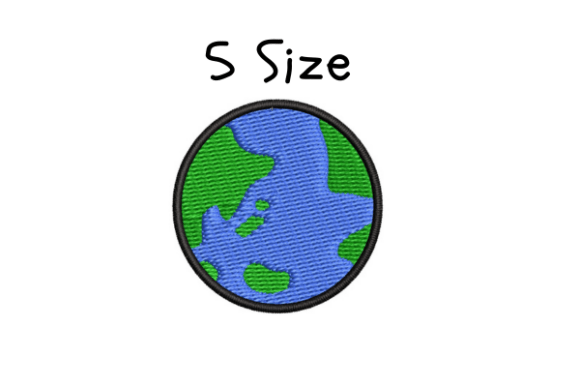
Earth Embroidery Design: A Craft Fair Review
As I set up my table for the upcoming weekend craft fair, the difference between a design that gathers dust and one that flies off the rack becomes painfully clear. My booth is filled with potential bestsellers: sturdy canvas tote bags, crisp white aprons, soft tea towels, and colorful fabric pouches. Today, I am putting Earth Embroidery Design through its paces to see if it belongs in my final product lineup. This isn't just about whether the file downloads correctly; it is about how this machine embroidery design translates into a tangible handmade product that customers will stop to admire and buy.
First Impressions: The Vibe of Earth Embroidery Design
When I first loaded the Earth Embroidery Design into my software, the aesthetic immediately clicked. It feels grounded and organic, perfectly aligning with the current trend toward rustic and nature-inspired decor. For a craft fair product, this is crucial. Shoppers at these markets are often looking for items that feel authentic and connected to the natural world. The design does not scream "modern industrial"; instead, it whispers "cozy farmhouse" or "gentle nursery."
The silhouette suggests a balance between boldness and delicacy. It has enough visual weight to stand out on a dark background but retains enough open space to avoid looking muddy on lighter fabrics. As an experienced designer, I appreciate that it avoids overly complex gradients which can be difficult to replicate with thread. Instead, it relies on clean lines and distinct shapes, making it a versatile asset for any Etsy seller or boutique maker looking to expand their catalog without overwhelming their production schedule.
Product Performance: Where Does It Shine?
To truly judge an embroidery file, you must test it across various substrates. Here is how Earth Embroidery Design performs on the items I plan to feature:
- Tote Bags: This is a powerhouse application. On a natural canvas tote bag design, the earthy tones of the motif pop beautifully. The design works well as a large focal point centered on the bag, giving it a premium look that justifies a higher price point than a plain cotton sack.
- Apron Embroidery: For the kitchen enthusiast, placing this design on the bib of an apron adds a touch of personality. It feels durable and charming, perfect for a hostess gift. However, because aprons are handled frequently, I need to ensure the stitching is secure.
- Tea Towel Embroidery: This is where the design's versatility shines. A small version of Earth Embroidery Design in the corner of a linen towel looks elegant and understated. It elevates a simple kitchen necessity into a decorative piece.
- Embroidered Patches: Creating patches allows me to sell a lower-cost entry item. The design holds its shape well when cut out, making it ideal for backpacks or denim jackets. These are excellent impulse buys at a market booth.
- Caps and Pouches: While caps require careful placement due to the curved surface, the design's compact nature makes it suitable for the front panel. Similarly, small fabric pouches benefit from the design's ability to act as a cute accent rather than a dominant graphic.
Production Realities: Density, Stabilization, and Scale
While the visual appeal is high, the practical execution is where many designers fail. The description notes that proper stabilization is used to achieve a beautiful and finished result. This is not just boilerplate text; it is a critical instruction for this specific design. Because the motif likely contains intricate details representing natural elements, the stitch density could vary significantly across different areas.
I always recommend testing the design on scrap fabric before committing to your final finished product. If the density is too high in certain areas, the fabric may pucker, ruining the professional look. Conversely, if the density is too low, the design might look flimsy. Since this is available in 5 Sizes Machine Embroidery File Instant Download, you have flexibility, but smaller sizes require scrutiny. Tiny details that look great on a pillow cover might get lost or turn into a blob on a small cap patch. Always check the smallest size option to ensure the hoop size accommodates the detail without losing clarity.
Fabric texture also plays a massive role. On a textured towel, the stitches need to penetrate deeply to stay visible. On smooth satin or cotton, the design will lay flat and crisp. As a digital seller, you must advise your customers or account for these variables in your own production. Dark fabrics will require more thread colors or a backing layer to make the earthy tones stand out, while light fabrics will showcase the natural palette effortlessly.
Visual Appeal and Market Strategy
In the competitive landscape of handmade markets, visual consistency is key. Earth Embroidery Design offers a cohesive theme that can tie together a whole booth display. Imagine a stack of pillows, a row of totes, and a selection of tea towels all featuring variations of this same motif. It creates a brand identity that feels intentional and curated.
For online sales, particularly on platforms like Etsy, photography is everything. This design photographs exceptionally well. The organic shapes catch the light nicely, and the lack of harsh geometric lines makes it inviting in a printable mockup or a real-life photo. Customers browsing digital listings are drawn to images that show texture and depth. By creating high-quality photos of the design on actual products, you increase buyer engagement and perceived value.
Furthermore, the design fits the "Babies" category mentioned in the product metadata surprisingly well. Soft, earthy motifs are trending in modern nurseries. A onesie or a baby blanket featuring a subtle version of Earth Embroidery Design appeals to parents who want something gender-neutral and timeless. This expands your potential customer base beyond just home decor enthusiasts to include new parents looking for unique gifts.
Designer Notes for Success
Before you rush to produce your batch of goods, follow these steps to ensure quality control:
- Test Run: Always embroider a test on the exact fabric you intend to use. Check for puckering and thread breaks.
- Stabilizer Choice: Do not skimp here. Use a tear-away stabilizer for wovens and a cut-away for knits to maintain the integrity of the commercial embroidery piece.
- Thread Contrast: Ensure your thread colors contrast sufficiently with the fabric. Earth tones can disappear on brown or beige backgrounds if not carefully selected.
- Licensing Check: Confirm your commercial licensing rights. If you plan to sell the physical embroidered items, ensure the license covers small shop product sales and wholesale distribution.
- Mockups: Create at least one real mockup for your marketing materials. Real photos convert better than generic templates.
Ultimately, Earth Embroidery Design is a strong contender for any serious crafter. It balances aesthetic charm with production feasibility. Whether you are a seasoned embroidery business owner or a creative entrepreneur starting your first booth, this digital embroidery file offers the versatility needed to create a standout collection. By paying attention to stabilization, fabric choice, and scale, you can turn this design into a profitable staple for your handmade line.