Ribbon Embroidery Design: A Real-World Review
As a designer who has spent years testing machine embroidery files for both personal craft projects and commercial production, I approach every new digital asset with a critical eye. The market is flooded with generic patterns, but finding a Ribbon Embroidery Design that truly delivers on its promise of elegance and versatility requires careful scrutiny. Today, I am evaluating this specific design not just as a file to download, but as a potential centerpiece for a line of handmade products aimed at the Babies category and beyond. My goal is to determine if this design holds up under the pressure of real-world stitching, client expectations, and the rigors of small business manufacturing.
First Impressions: Visual Weight and Mood
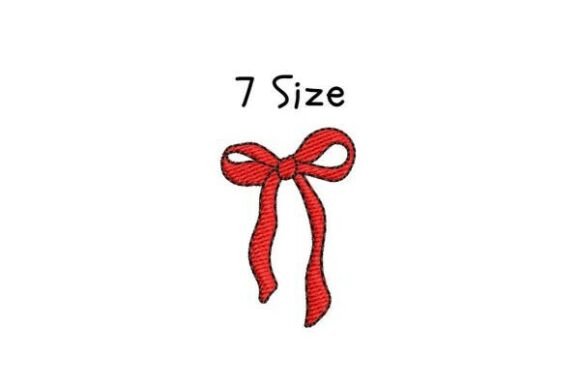
When you first load the Ribbon Embroidery Design into your digitizing software or hoop previewer, the immediate impression is one of soft sophistication. Ribbon embroidery relies heavily on the interplay between satin stitch and fill stitch to mimic the fluidity of actual fabric ribbons. This particular design captures that movement beautifully without appearing overly cluttered. The layout suggests a gentle flow, making it an ideal candidate for personalized gift items where sentiment matters as much as aesthetics.
For those of us running a craft business, visual personality is everything. This design does not scream for attention in a chaotic way; instead, it whispers quality. It feels like a natural fit for nursery decor or high-end baby apparel. The shape is balanced, avoiding extreme elongation that can cause issues on curved surfaces, yet it retains enough detail to look premium when stitched with high-quality thread colors.
Testing the Waters: A Custom Baby Tote Scenario
To truly understand the utility of this machine embroidery design, let’s walk through a realistic scenario. Imagine you are preparing a custom embroidered tote bag for a boutique shop specializing in eco-friendly baby gear. You have selected a sturdy, light beige canvas. You hooped the Ribbon Embroidery Design using a medium-sized hoop, ensuring proper stabilization is used to achieve a beautiful and flat finish.
As the machine begins its run, the satin stitch columns defining the ribbon edges glide smoothly across the fabric. Because the design offers 7 sizes, you have the flexibility to scale it down for a smaller accent or up for a bold statement. In this specific test, I opted for a mid-range size. The result was crisp. The stitch density appears well-calibrated, preventing the common issue of puckering on thicker fabrics like canvas. The finished product looks professional, instantly elevating a simple tote bag into a desirable small shop product.
However, the true test comes when considering the end user. Parents buying these bags want durability. They need to know that the embroidered patch effect will survive repeated washing. With this design, the lack of tiny, isolated letters or microscopic details means there is less risk of thread breakage or snagging over time. This reliability builds customer trust and encourages repeat purchases from your Etsy seller storefront.
Navigating Fabric Challenges and Limitations
While the Ribbon Embroidery Design performs admirably on stable fabrics, a professional must always consider where it might struggle. If you plan to use this on stretchy knit fabrics for sweatshirt embroidery or delicate baby onesies, extra caution is required. The weight of the ribbon effect can pull on thin materials if the wrong stabilizer is chosen.
I strongly advise against using this design on highly textured fabrics like terry cloth towels unless you are willing to sacrifice some definition. The texture can interfere with the smooth lines of the satin stitch, resulting in a slightly fuzzy appearance. Similarly, if you are working with dark fabrics, ensure you check your thread color contrast. While the design itself is versatile, the illusion of a ribbon depends on light reflecting off the stitches. On black fabric, you may need a heavier backing to prevent the threads from sinking into the weave, which would diminish the 3D effect.
Furthermore, be mindful of curved surfaces like caps. While the design is flexible, placing a complex ribbon motif on a structured cap front can sometimes lead to alignment issues if the hoop size is not perfectly matched to the cap's curvature. Always test the design on scrap fabric first to gauge how the tension affects the final shape.
Commercial Viability and Brand Consistency
For creative entrepreneurs looking to expand their catalog, the Ribbon Embroidery Design offers significant value. Its clean lines make it excellent for creating printable mockups that sell well online. When customers see a high-quality preview of this design on a pillow cover or a kitchen towel, they can easily visualize the finished product in their own homes.
This design also supports brand consistency. Whether you are selling holiday gifts or everyday essentials, the aesthetic remains cohesive. It works equally well for a wedding gift monogram or a playful baby embroidery project. The ability to scale the design allows you to adapt it for various price points—from a small decorative accent on a tea towel to a large feature on a blanket.
However, before integrating this into your commercial lineup, you must confirm licensing terms. Just because it is an instant download does not automatically mean you can sell the physical items without restriction. Ensure your license covers commercial embroidery usage. Additionally, if you plan to sell the digital embroidery file itself, verify that redistribution is permitted. Protecting your business starts with understanding the legal boundaries of your design assets.
Practical Designer Notes for Success
To get the most out of this embroidery file, follow these practical steps:
- Test Stitch Density: Even though the design is pre-digitized, run a test on a similar fabric to your final project. Adjust the density if you notice excessive bulk or holes.
- Stabilizer Selection: For the best results, especially on lighter fabrics, use a tear-away or cut-away stabilizer that matches the weight of the material. Do not skimp here; it is the foundation of a beautiful stitch.
- Thread Color Strategy: Experiment with metallic threads or variegated floss to enhance the ribbon effect. The sheen of the thread adds to the realism of the design.
- Hoop Size Verification: Since the product includes 7 sizes, double-check that your selected size fits comfortably within your machine's hoop area without cutting off any parts of the design.
- Mockup Comparison: Create both light and dark background mockups to show potential customers how the design adapts to different color schemes.
In conclusion, the Ribbon Embroidery Design is a robust tool for anyone serious about handmade product creation. It balances artistic flair with technical reliability, making it a worthy addition to your library. By understanding its strengths and limitations, you can confidently incorporate it into your next project, whether it is a custom tote bag design for a friend or a new SKU for your growing online store. Remember, the difference between a good design and a great product lies in the execution. Use the right tools, respect the fabric, and let the machine do the rest.